The Growth of Eco-Friendly Housing Communities
Green housing projects are becoming more popular worldwide as people grow more aware of climate change and rising energy costs. Homebuyers now look beyond luxury and location, focusing instead on sustainability. Modern residential projects emphasize energy efficiency, water conservation, green spaces, and eco‑friendly building practices. This shift is changing how communities are planned and built, moving from simple real estate development to thoughtful community construction that supports long‑term environmental balance.
1. What Are Eco-Friendly Housing Communities
Sustainable housing communities refer to those residential district that have been deliberately constructed in manner designed to maximize environmental efficiency. They’re constructing with recycled materials, tapping renewable energy sources, and using high-tech waste disposal cons. The idea is to make comfortable living areas without much of a carbon footprint.
2. Rising Environmental Awareness Among Buyers
Consumers in today’s markets are better educated about the health and environmental benefits of green buildings. Most people would rather live in homes that reduce energy use and improve health. This requirement is forcing developers to incorporate green elements in their developments.
3. Key Features of Sustainable Communities
Green neighborhoods may have any of the following characteristics:
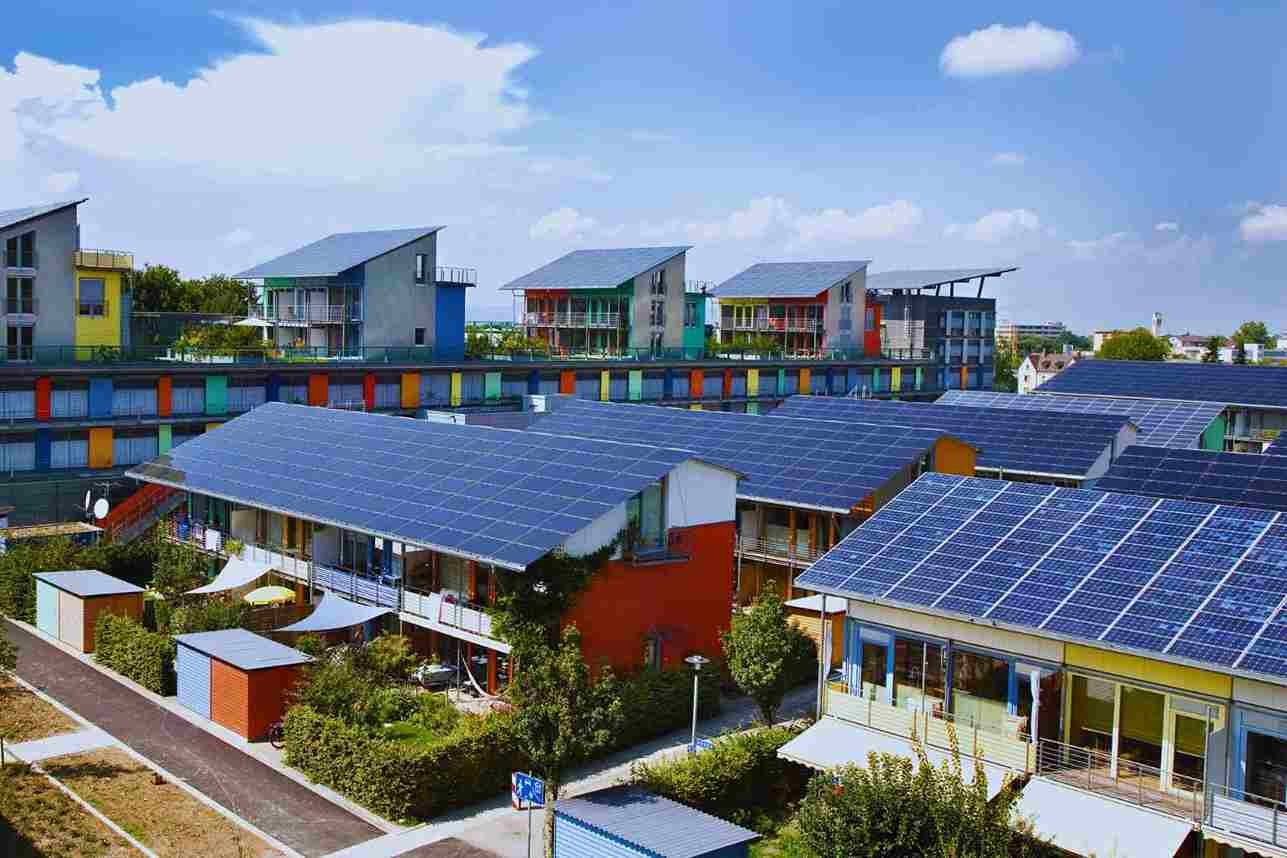
- Solar panels for renewable energy
- Rainwater harvesting systems
- Energy efficient lighting and appliances
- Waste segregation and recycling facilities
- Green landscaping with native plants
These characteristics contribute to lower overall emissions and operational costs.
4. Financial Benefits for Homeowners
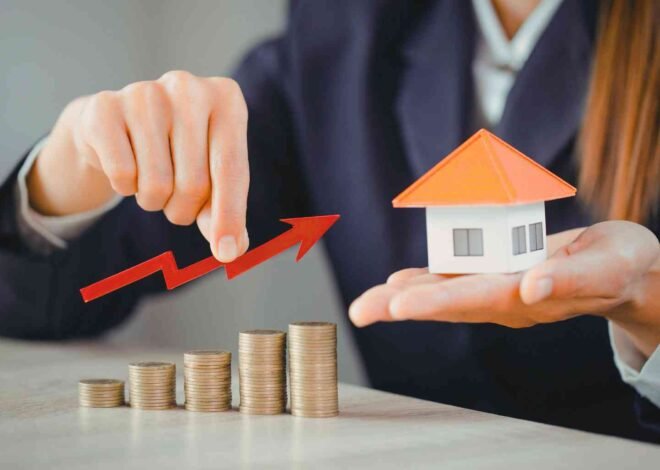
Eco‑friendly homes often cost more at the start, but they can save money over time. Lower power bills, reduced water use, and government subsidies make sustainable living financially practical in the long run. What begins as a higher investment usually turns into steady savings and added value for homeowners.
5. Government Policies and Certification
Governments and environmental organizations encourage green building design. Green building ratings help developers think greener. In addition, there are economic incentives and tax advantages associated with green construction.
6. Integration of Smart Technology
Sustainable ‘eco’ villages are usually integrated with smart tech.
- Automated energy monitoring systems
- Efficient temperature control with smart thermostats
- Water usage tracking devices
- EV charging infrastructure
- Intelligent waste management systems
These tools offer increased efficiency and ease of use.
7. Health and Lifestyle Advantages
Green neighbourhoods give better air, open spaces and lower pollution. Parks and trails made of eco friendly materials = Healthy Communities. Citizens enjoy better health and community connections.
8. Growing Demand in Urban Areas
Middle-class urbanites are looking for greater sustainability in their lifestyles. With the cities becoming more and more congested, the ecohomes provide a greener and cleaner way of living. Developers are reacting by introducing green residential projects in even the most densely-populated areas.
9. Challenges in Sustainable Housing Development
Despite being a boom business, eco-housing is not without its issues:
- Higher initial construction costs
- Limited awareness in some markets
- Demand for experience green construction workers
- Maintenance of sustainable systems
- Balancing affordability with eco features
Addressing these issues will be critical for sustained growth.
10. The Future of Eco-Friendly Communities
The trend of building environment-friendly housing development is expected to keep growing as the world gives sustainability more value. Climate policies, increasing utility prices and evolving buyer preferences will further drive demand. Sustainable housing is not a niche phenomenon, but a growing mainstream trend that’s influencing the real estate of today.
Key Takeaways
Environmentally conscious housing developments are a blend of sustainability, tech and modern living. They spend less money on environmentally unfriendly models while saving you cash and providing a healthier life overall. With the increasing number of people becoming eco-conscious, green residential ventures are going to be the heart and soul of future housing.
FAQs:
Q1. What makes a residential community green?
Employment of sustainable energy source, water saving methods and green building technique.
Q2. Are eco-friendly homes more expensive?
Yes, they may cost more to begin with but save money over time.
Q3. Do eco-friendly neighbourhoods boost property values?
Yes, sustainable qualities can add value in resale and rental demand.
Q4. How prevalent is solar power in green homes?
Sure, solar panels are part of many sustainable projects.
Q5. Is sustainable housing the way of the future?
Yes, it will be more prevalent for both eco and cost reasons.