Snapshots and trending videos alone do not build faith on Instagram. What matters is letting people see the person behind the profile, revealing something true. Companies such as StreamOZ point out trust grows when what you share seems honest, useful, still steady. Posting certain stories helps transform random scrollers into regulars who respond, keep coming
What began as a place for sharing pictures now hosts voices shaping ideas, business minds, creators aiming to stand out. Size of crowd matters less when people believe what you share keeps them coming back week after week. Services such as SocialWick point to steady effort, real interactions, as the core of being seen as

These days, Instagram does more than show off picturesit runs actual businesses. Done well, it slips into your workflow as a solid source of new customers. People like those at YouTubeStorm often skip the noise, choosing repeatable methods over scattered likes. Match your posts with a clear plan, then watch interest grow without pushing hard.
Most of the time, strong presence on Instagram grows slowly. What matters is showing up regularly, being clear about who you are, while letting your voice stay steady across posts. Small errors repeated often quietly weaken how others see you. Sites such as SocialGreg point out: rising follower counts fail when trust stays low. Influence?
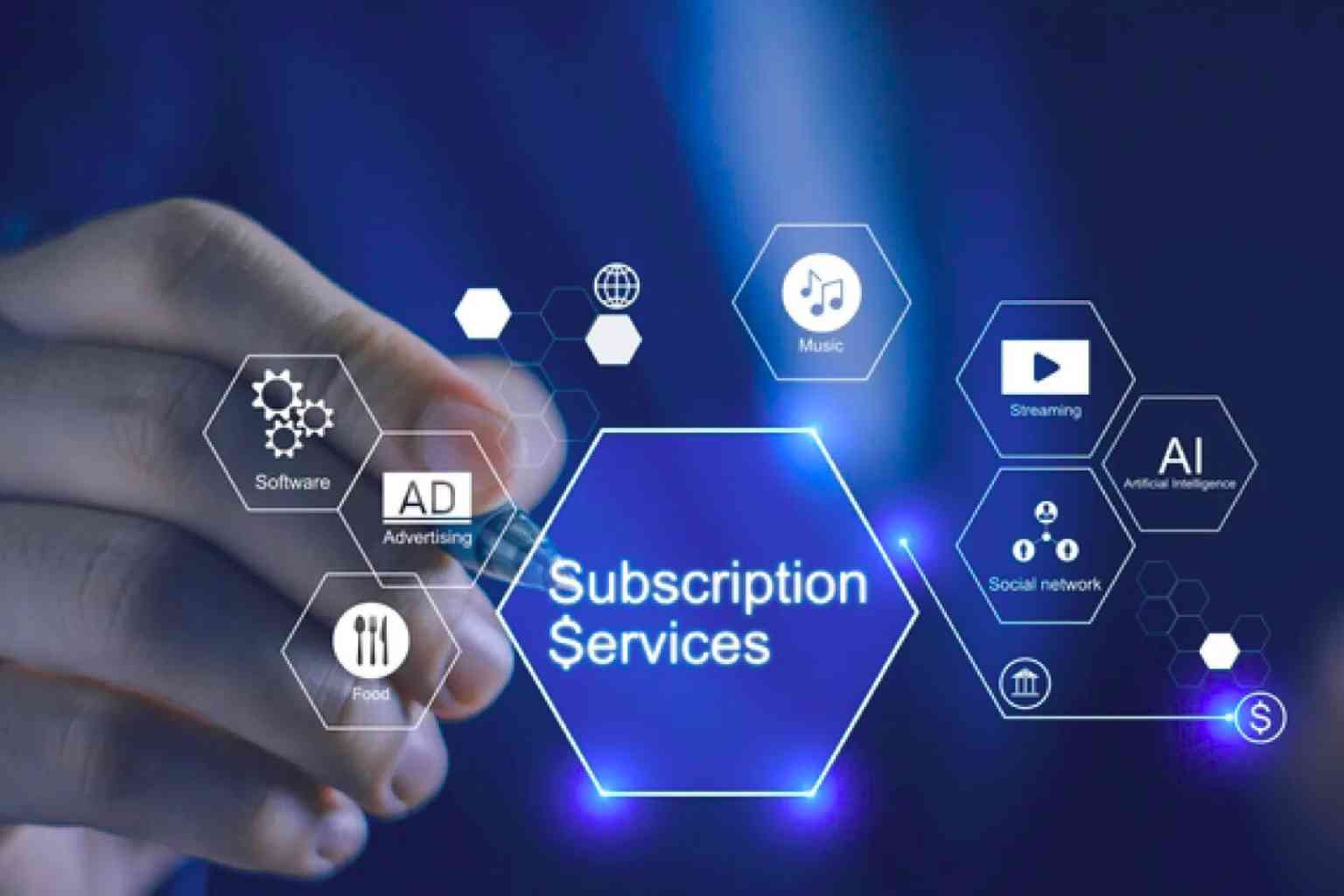
One of the hottest trends in today’s retail industry is the adoption of subscription-based business models. Customers don’t make a one-time purchase; they pay, on an ongoing basis every week, month or year to use products or services. From digital content and software applications to food service and delivery, subscriptions are revolutionizing the way companies earn money
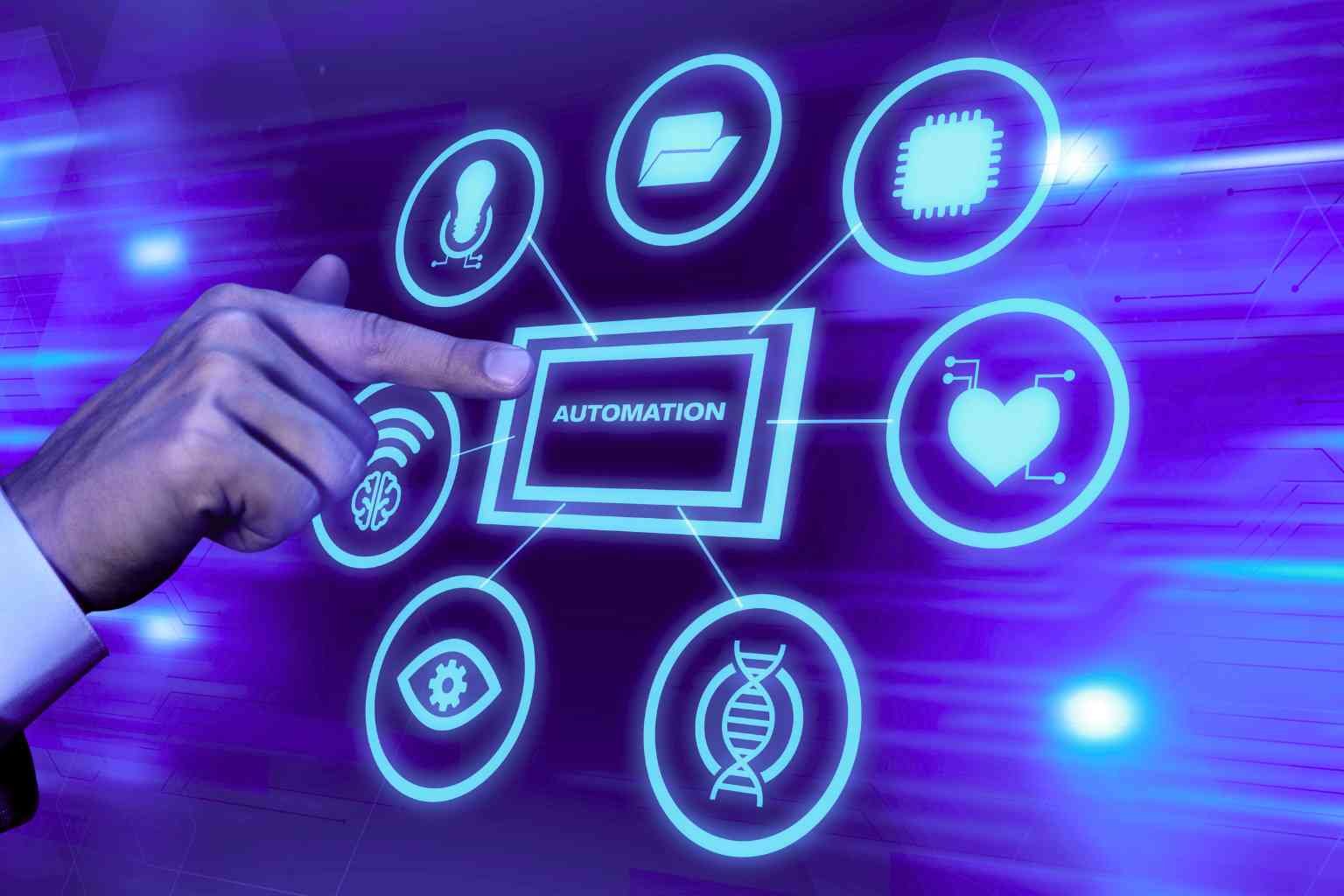
Small Businesses Small businesses are generally ridiculously understaffed, computing on shoestring budgets with higher-than-average daily workloads. You’re juggling marketing, sales, customer service and fulfillment at once. This is an area where automation can really help. Small businesses have become more efficient by automating repeatable tasks and organizing work to be done, which will result in increased productively and the

The workplace has transformed significantly in recent years. What began as a temporary fix has become, for some businesses, the new norm. Remote-first companies are businesses that primarily exist online, with employees location independent, rather than in a single office. This model is transforming how the world works, how companies hire and collaborate. 1. What Is a Remote-First Company
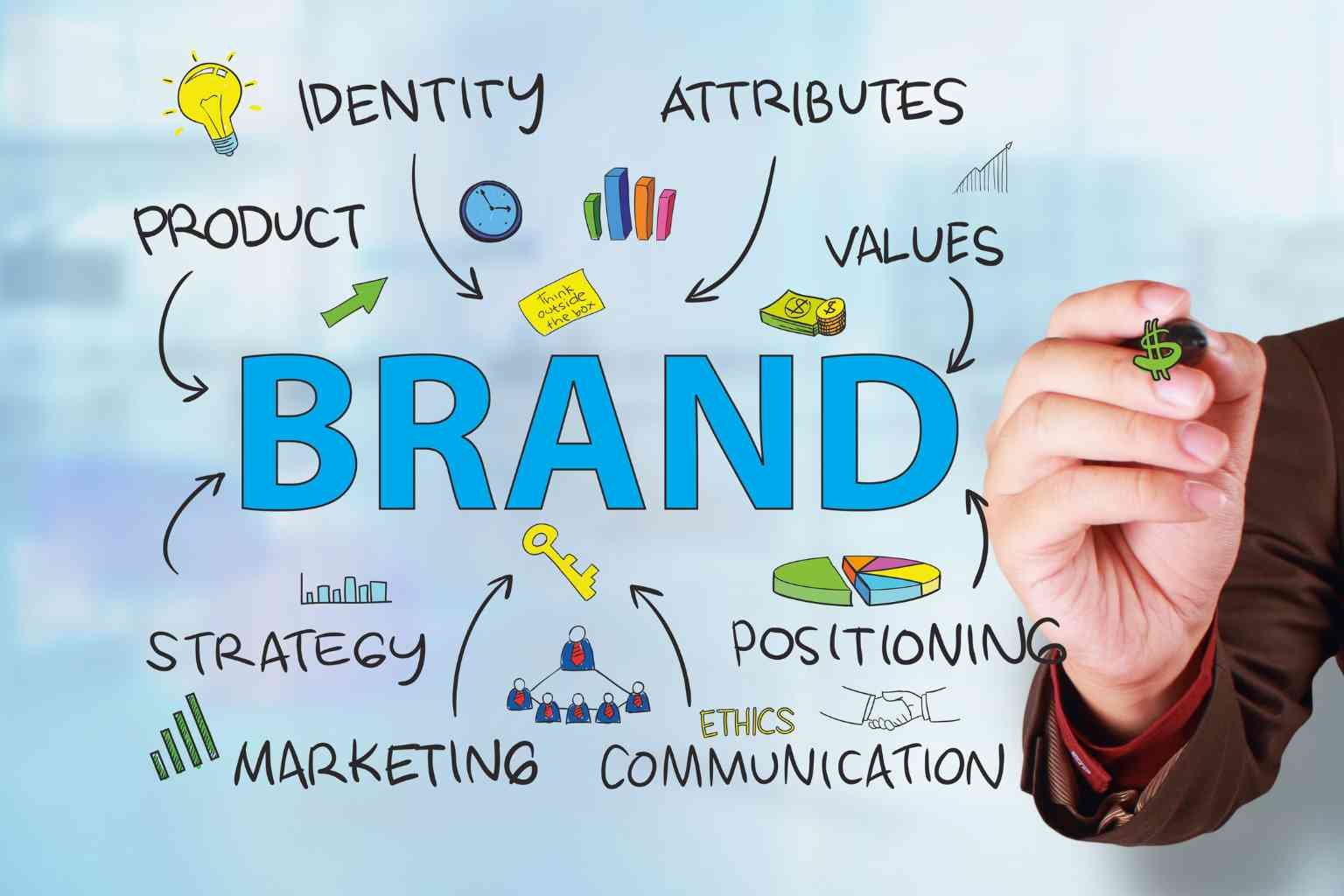
The way we market has been radically transformed in the digital age. In the old days, brands relied primarily on TV, print and outdoor advertising. Customers want more than the advertising of today. They are looking for connection, engagement and shared values. This transformation has given birth to brand communities, where customers engage with brands and with one another. “These