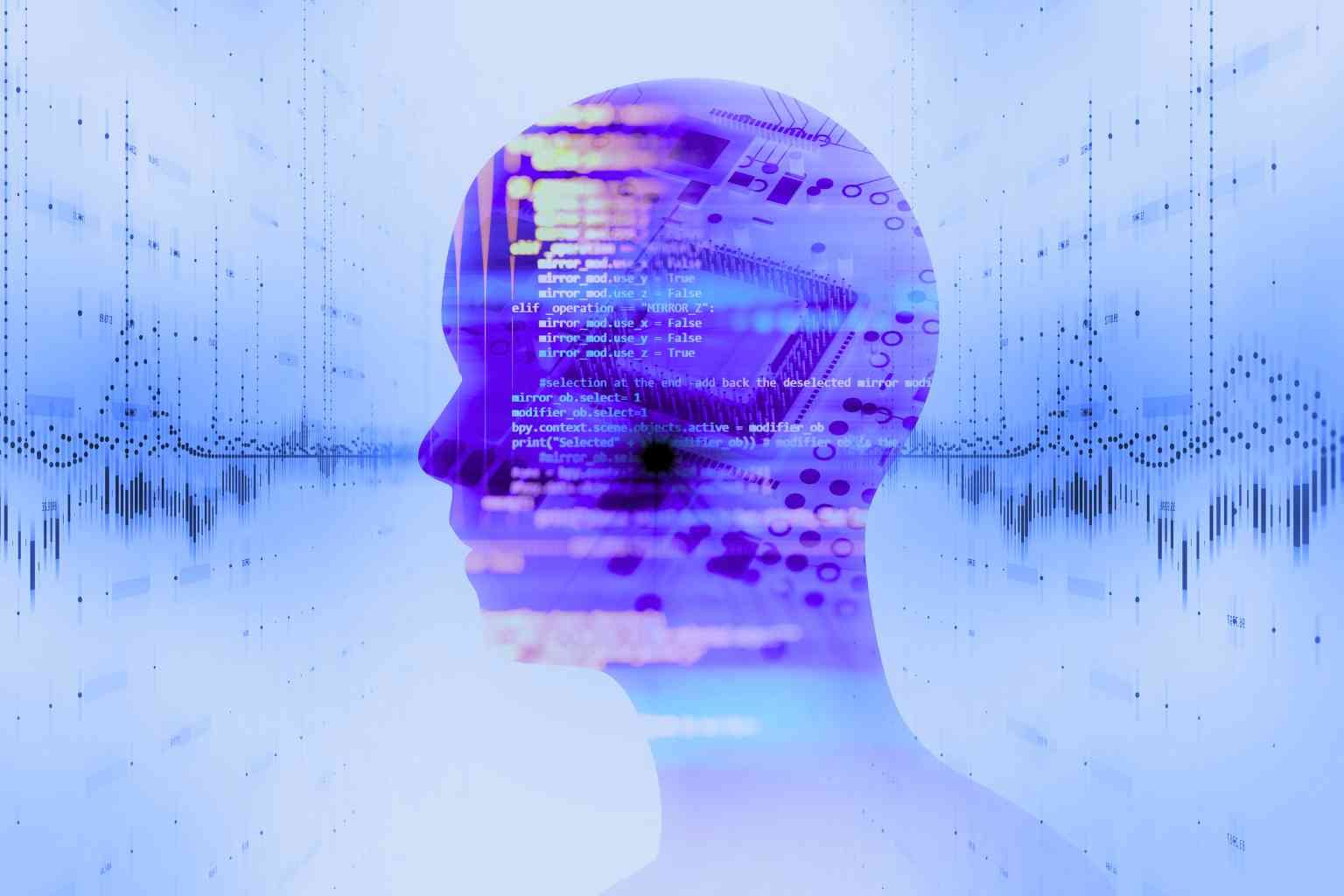
Technology gets smarter every year. It can identify faces, understand speech and even predict user preferences. Now we see a new trend – emotion computing systems. These are systems that are meant to read human emotion and then act upon them using artificial intelligence.
Dourish describes how emotion-aware computing can make interactions between humans and computers more human. Systems don’t simply respond to commands but adjust themselves all the time in response to mood, tone, facial expression and behavior patterns.
1. What Is Emotion-Aware Computing
Emotion-aware computing is the technology that can recognize human emotions based on facial expressions, voice tone, text sentiment and physiological signals. These systems, using AI algorithms, identify patterns and classify emotions such as happiness, stressfulness and anger or confusion.
The aim is to establish more empathetic digital exchanges.
2. How Emotion Detection Works
Emotion detection is based on a number of inputs:
- Facial recognition and expression analysis
- Rating of Vocal and Speech Qualities
- Text sentiment analysis
- Biometric signals like heart rate
- Behavioral data patterns
These signals are then fed into AI models, which use them to predict emotional states.
3. Why It Matters When Technology Knows How You Feel
Humans don’t communicate with each other just in *words. Tone, expression and mood are very important in decoding meaning. Emotion-enabled systems increase user interaction quality by reacting to emotional context.
This could lead to less frustration and happier experiences.
4. Applications in Customer Service
For a call in a customer service environment, emotion-aware systems could identify frustration from the caller’s voice. The system may respond with more soothing language or will hand the call over to a human agent if necessary. This is great for the users and increases performance as well.
It enables increasingly personalized interactions.
5. Role in Healthcare and Mental Health
Emotion-aware computing is being investigated in the field of health. AI systems can track patterns of speech or behavior indicative of early signs of stress or depression. This might be useful for mental health surveillance and early intervention.
It offers supportive, non-intrusive assistance.
6. Enhancing Education and Learning Platforms
In digital learning environments, measuring emotions can recognize when students are feeling confused or not interested. Difficulty levels can be adjusted or extra guidance provided on platforms.
It’s education that is more responsive and customized.
7. Key Benefits of Emotion-Aware Systems
Emotion-aware computing offers several advantages:
- More natural human-computer interaction
- Improved customer satisfaction
- Personalized digital experiences
- Enhanced mental health monitoring
- Better engagement in learning platforms
Such advantages raise the market value of sophisticated systems.
8. Ethical and Privacy Concerns
However, while having potential, emotion-aware computing brings some concerns:
- Collection of sensitive emotional data
- Risk of misinterpreting emotional signals
- Potential misuse for manipulation
- Bias in emotion detection models
- Lack of user consent awareness
Strong ethical guidelines are necessary.
9. Technical Challenges
Emotion recognition is challenging due to covariance of emotion across cultures, the piece-meal development of steady forming emotions within individuals. Such AI models need to accommodate variations in facial appearances, speech accents and communication styles. It is still a challenge to obtain high accuracy.
10. The Future of Emotion-Aware Technology
The next step of emotion-aware computing may be its close integration with virtual assistants, smart homes and the healthcare system. As models get better, so too might digital interactions and they may become more empathetic and responsive.
However, the way they balance innovation and ethical responsibility will be crucial. Affective computing is another giant step toward a more human-friendly technology.
Key Takeaways
- Emotion-aware computing, which sniff out human emotions with the help of AI
- It can improve the interaction by responding to emotional cues
- Applications range from customer service, to health and education
- There are privacy and ethics implications
- The future looks positively warm and fuzzy for digital systems;left empathiques
FAQs:
Q1. What does emotion-aware computing mean in plain language?
It’s technology that can monitor human emotions and respond accordingly.
Q2. How does AI detect emotions?
Via facial expressions, tone of voice, text analysis and biometric indicators.
Q3. Is emotion detection always accurate?
No, it also can occasionally misread signals.
Q4. Where is emotion-aware computing used?
In customer service, health care, education and smart assistants.
Q5. Are there privacy risks?
Yes, because emotional data is private and needs to be safeguarded.
You may also like
Leave a Reply