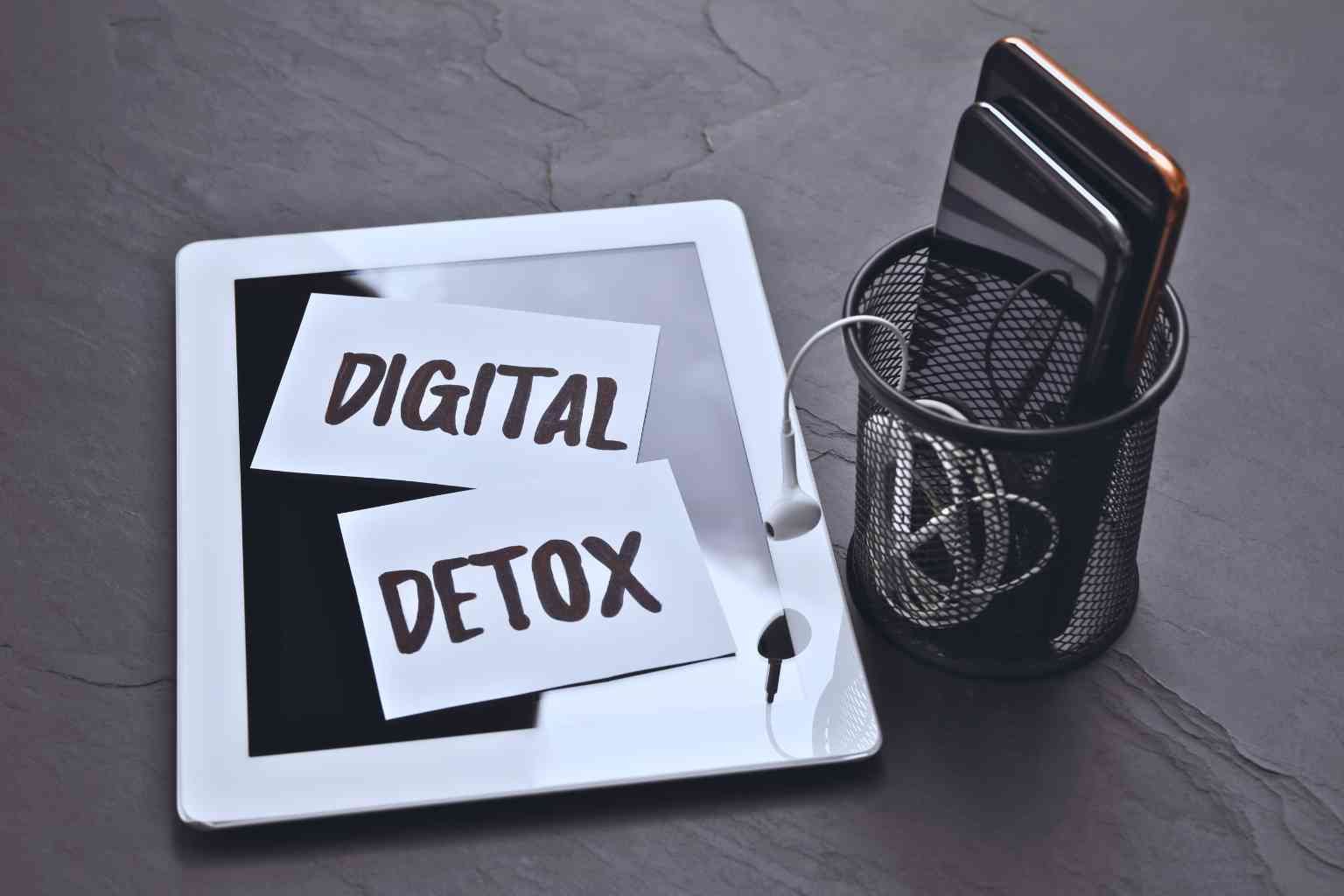
Technology has created a faster, easier and more connected life. But all of that alerting and scrolling, along with work messages around the clock, can distract attention and elevate stress. So many people are now mentally drained because they’re constantly online. defining digital boundaries support to get back control and balance return, eyes on the prize, moving forward in life.ease).prep.
1. What Are Digital Boundaries
Digital boundaries are restrictions around how and when you use technology. They determine when you answer messages, how much time is spent on social media and if devices are permitted in certain areas such as the bedroom or meals table.
2. Why Constant Connectivity Is Draining
Having us always be connected puts pressure on people to respond immediately. That means less lag time and more mental fatigue. With no barriers, work and personal life can become a muddled mess, resulting in burnout.
3. Benefits of Setting Digital Limits
Digital boundaries create noticeable improvements:
- Better focus and productivity
- Improved sleep quality
- Reduced stress and anxiety
- Stronger personal relationships
- Increased mental clarity
These improvements have a direct impact on the quality of life.
4. Digital Boundaries and Mental Health
Spending too much time glued to a screen is associated with anxiety and mood shifts. Regular breaks from devices also help calm the mind. The less exposure to negative news or social comparison, the better your psychosocial well being.
5. Protecting Work Life Balance
Remote work, of course, and mobile devices blur the line between office and home. Explicit rules say, no work email after 8 p.m. protect personal time. Such separation lowers the level of stress and encourages more healthy rituals in life.
6. Improving Sleep Through Tech-Free Time
Smartphones disrupt sleep patterns earlier in the evening. Exposure to blue light impacts the release of natural sleep hormones. Establishing a device free sleep routine will improve quality of sleep, and increases overall energy levels.
7. Practical Tips for Setting Digital Boundaries
A few simple steps can help establish healthier tech habits:
- Turn off non essential notifications
- Set dedicated times for reviewing emails
- Keep phones away during meals
- Set up no device zones at home
- Take regular digital detox breaks
Consistency makes these habits effective.
8. Strengthening Real Life Connections
Too much screen time can lead to fewer ’face’ face-to-face conversations. Boundaries in a digital context can actually inspire greater presence. Spending some quality time with family and friends strengthens bonds.
9. Enhancing Productivity and Focus
The incessant app-switching is reducing our powers of concentration. Fewer Screen Distractions More Deep Work and Focus. Related Work on sessions of focused work correlate with better performance and higher satisfaction.
10. Long-Term Gains of the Digital Spanking
Digital discipline creates sustainable habits. It relieves stress and stabilizes emotions while cutting time waste over the long term. Balanced tech use enables users to benefit from it without feeling controlled by it.
Key Takeaways
Digital limits enhance quality of life by lowering stress, increasing concentration and fostering better relationships. When we create guardrails around how much screen time is too much, we help bring balance to our digital and physical wellbeing.
FAQs:
Q1. What are digital boundaries?
They are parameters placed around how and when technology is used.
Q2. Do digital boundaries reduce stress?
Yes, they help avoid permanent mental overload.
Q3. How can I begin to establish digital limits?
Start by deactivating nonessential notifications and setting aside time to be screen free.
Q4. Do digital boundaries improve sleep?
Yes, limiting screen time before bed helps to improve sleep quality.
Q5. Are digital detox breaks helpful?
Yes, you are better able to focus and think deeply if you have the occasional short break from technology.
You may also like

Leave a Reply